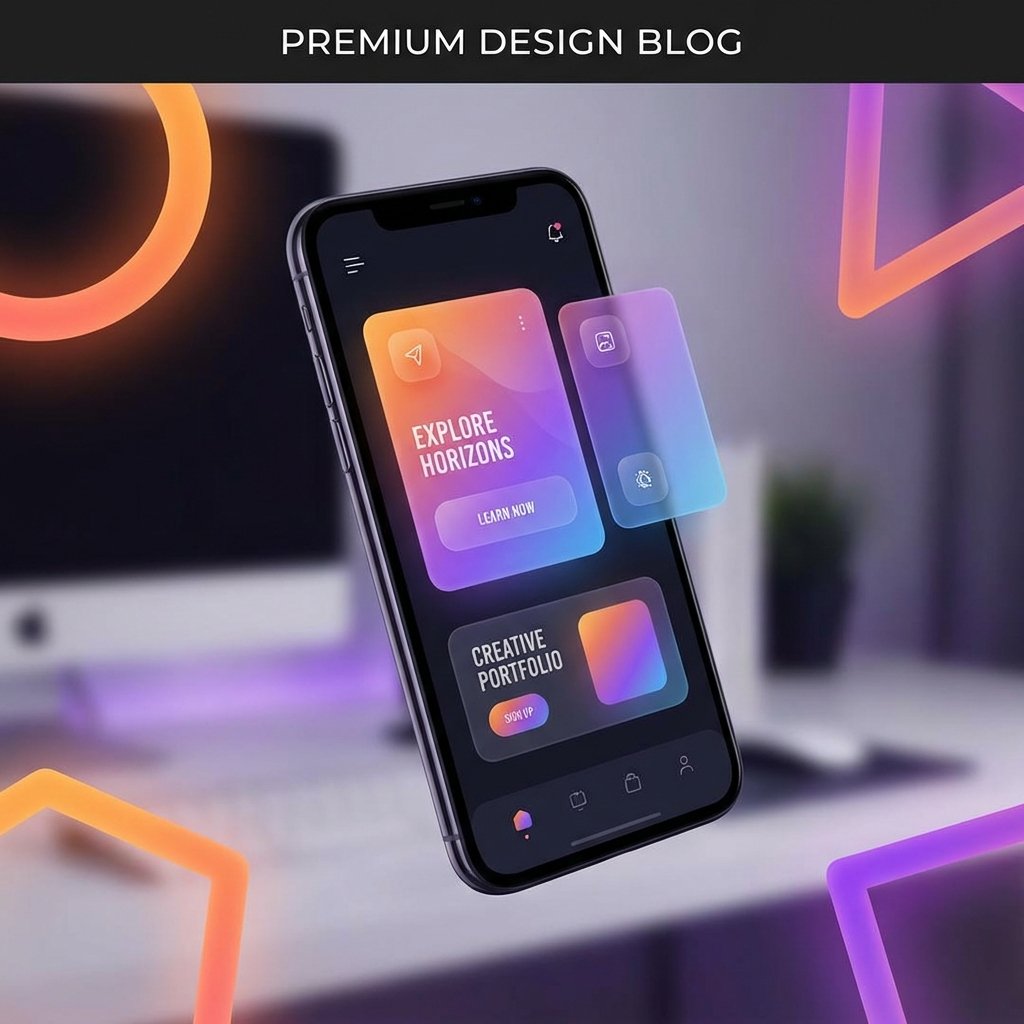
In a world where people spend an average of 4.5 hours daily on their smartphones, the question isn't whether your business needs a mobile app—it's how quickly you can launch one before your competitors do.
I remember when businesses debated whether they even needed a website. Those debates feel almost quaint now. Today, the conversation has shifted: a website is the bare minimum. A mobile app is what separates businesses that are merely surviving from those that are truly thriving.
Let me be clear about something upfront: not every business needs a mobile app. But if you're reading this article, chances are yours does. Whether you're in retail, hospitality, healthcare, education, or any service industry, a well-designed mobile app can transform how you engage with customers.
Mobile App vs. Mobile Website
One question I hear constantly: "We already have a mobile-responsive website. Why do we need an app?" It's a fair question.
Mobile websites are great for discovery. When someone searches Google for your business, they'll land on your website. It's accessible to anyone with a browser.
Mobile apps are about engagement. Once a customer downloads your app, you have a direct channel to them. Push notifications, offline access, faster performance—things a website cannot match.
The Critical Difference
Your website attracts new customers. Your app retains them. Use both strategically—website for acquisition, app for loyalty.
Key Business Benefits
1. Direct Customer Communication
Push notifications achieve 40-50% open rates—compare that to 2-3% for email. They appear directly on users' screens, creating immediate engagement opportunities.
2. Enhanced Customer Loyalty
Apps make loyalty programs effortless. Digital punch cards, points systems, exclusive deals—these features keep customers returning. Starbucks attributes over 50% of their transactions to their app's loyalty program.
3. Valuable Data Insights
Every interaction in your app generates data. Which products do customers browse most? When do they prefer to shop? This data is gold for better business decisions.
4. Competitive Advantage
Businesses that move first establish themselves as the default choice. Once someone installs your app, switching to a competitor becomes an uphill battle.
Revenue Models for Mobile Apps
- Direct Sales: E-commerce apps outperform mobile websites in conversion rates
- In-App Purchases: Premium features or upgraded services
- Subscription Models: Recurring revenue from premium tiers
- Advertising: Revenue stream for apps with large user bases
- Cost Reduction: Streamlined operations and reduced support calls
The ROI isn't just direct revenue—it's customer lifetime value. App users typically spend 3x more over their relationship with a brand.
— Mobile Commerce Industry Report 2026
The Development Process
Phase 1: Discovery (1-2 weeks) — Understanding your goals, audience, and competitive landscape.
Phase 2: Design (2-3 weeks) — Wireframes, visual designs, and interactive prototypes.
Phase 3: Development (6-12 weeks) — Building for iOS, Android, or both with system integrations.
Phase 4: Testing & Launch (2-3 weeks) — Rigorous testing and app store submission.
Phase 5: Growth (Ongoing) — Monitoring, feedback, and continuous improvement.
Ready to Get Started?
At MKC Services, we've built mobile apps across industries—retail, healthcare, education, entertainment. We focus on business outcomes, not just beautiful interfaces.
Our capabilities include native iOS & Android development, cross-platform solutions with React Native and Flutter, backend development, UI/UX design, and ongoing maintenance.
Ready to explore how a mobile app could transform your business? Let's have a conversation.
Ready to Build Your Mobile App?
Get a free consultation and discuss how a mobile app can grow your business.